Low Season
Enter low-season dates
Request a Quote
Price prepared for your dates and group size
An unforgettable eight-day Kilimanjaro climb through the scenic Lemosho Route. Beginning on the mountain’s quieter western side, this carefully paced itinerary crosses rainforest, the Shira Plateau, alpine desert and the arctic summit zone before reaching Uhuru Peak at 5,895 metres.
Experience Mount Kilimanjaro through the beautiful Lemosho Route, widely appreciated for its spectacular scenery, quieter opening trails and gradual acclimatisation profile.
The adventure begins on Kilimanjaro’s western side, passing through lush montane rainforest before emerging onto the expansive Shira Plateau. Climbers continue through changing landscapes towards Moir Hut, Lava Tower, Barranco Valley and the famous Barranco Wall.
After reaching Karanga and Barafu camps, the final summit attempt begins around midnight. Climbers ascend towards Stella Point before continuing to Uhuru Peak, Africa’s highest point at 5,895 metres.
The eight-day itinerary provides additional time at altitude, but reaching the summit is never guaranteed. Professional mountain guides, cooks and porters support climbers throughout the journey.
Every uploaded photo is shown in its natural proportions. Select a photo to open the original file full-screen.
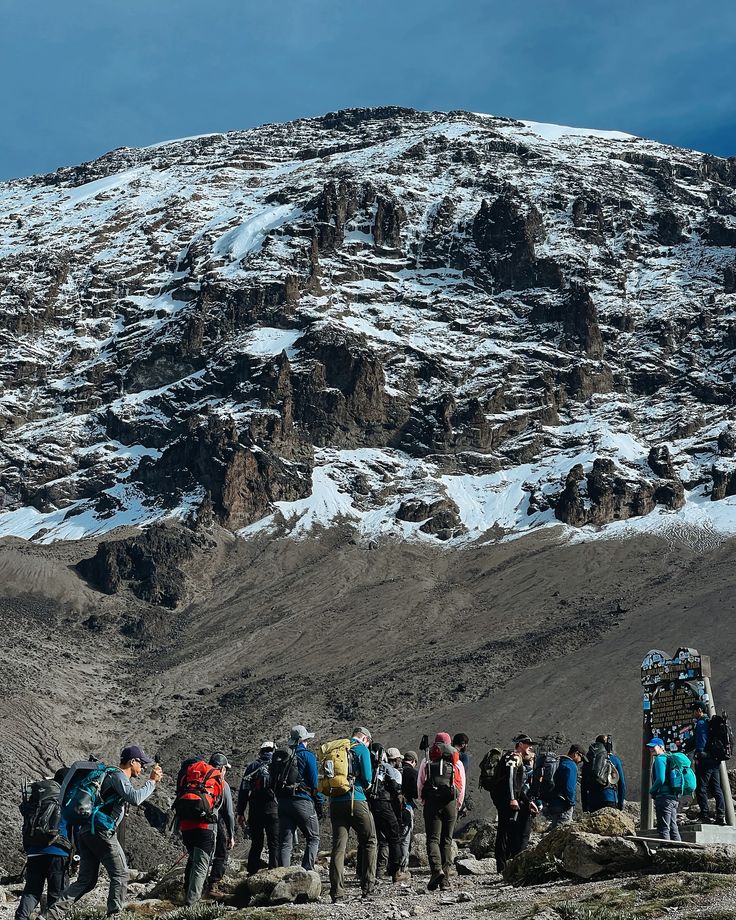
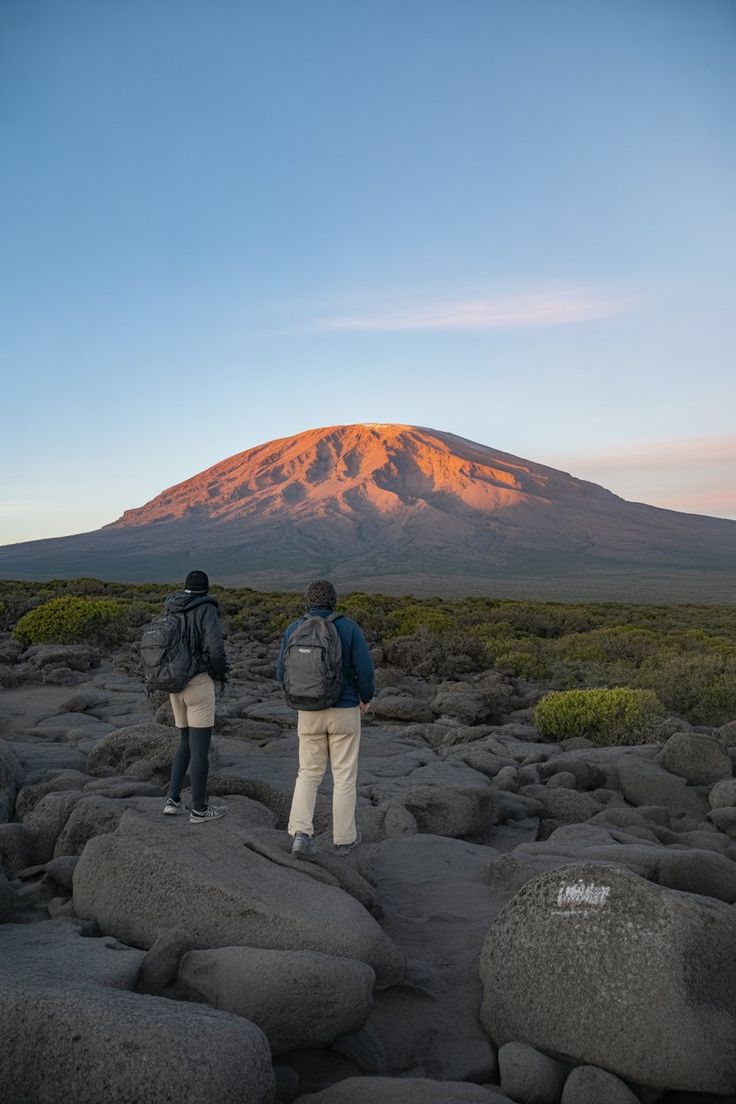
2 climb photos · Photos are not cropped
Prices are shown only after they have been confirmed by our team. Blank seasons remain available by quotation.
Distances, elevations and walking times are approximate and can change with trail, weather and group conditions.
The Lemosho Route requires good cardiovascular fitness, physical endurance and mental preparation. Climbers should be comfortable walking for approximately five to eight hours on consecutive days. Summit day may involve twelve to sixteen hours of climbing and descending.
We recommend beginning regular training at least eight to twelve weeks before arrival. Training should include long walks, hill climbing, stair exercises, cardiovascular workouts and strength exercises for the legs and core.
Whenever possible, practise hiking while carrying the daypack you will use on the mountain. Climbers with existing medical conditions should consult a qualified healthcare professional before booking a high-altitude climb.
Climbing Kilimanjaro involves travelling to very high altitude, and reaching the summit cannot be guaranteed. The Lemosho itinerary provides a gradual approach and includes acclimatisation opportunities, but every climber responds differently to altitude.
Our guides maintain a slow pace and monitor each climber’s condition. Clients must immediately report symptoms such as persistent headache, unusual fatigue, nausea, vomiting, dizziness, confusion, loss of coordination or difficulty breathing.
Climbers experiencing worsening altitude-related symptoms must not continue ascending. The head guide may require a climber to rest, descend or end the climb when necessary for safety. The head guide’s safety decision is final.
Every client should obtain travel insurance that specifically covers high-altitude trekking and emergency medical evacuation up to 6,000 metres.
Tell us your preferred dates, number of climbers, residency and equipment needs. We will prepare a clear quotation before you confirm.